It’d be wasted
Any ink
Cartridge worn out
Spelling your name
Any line
Drawn-out
Delineating your face
Any verse
Left hanging
Exhausted to rhyme
Nowhere to be seen
Trees, walls, benches, pages
Typing slows down
No ink runs out
Nothing is wasted
It’d be wasted
Any ink
Cartridge worn out
Spelling your name
Any line
Drawn-out
Delineating your face
Any verse
Left hanging
Exhausted to rhyme
Nowhere to be seen
Trees, walls, benches, pages
Typing slows down
No ink runs out
Nothing is wasted
I didn’t put faith in this,
But I realized I was soaring high—
When I saw that I had sunk so low.
I was no bird of prey.
An early bird, but no pray.
And I couldn’t cut it.
Even so, I could have my cake and eat it.
I had a strong
Sense of my own.
I can’t seem to find the right title today—this one will do.
I’ll use this as a writing prompt. If we rely exclusively on prompts we find here, we’re bound to fall short. Just the other day, I came across a question about dinosaurs that made me stop and think, “What?”
This got me considering: why not create prompts (or themes) for each other here? If we collaborate on them, they could rival even the most popular—but often silly—Wordpress writing prompts. What really matters, after all, is quality and authenticity. Developing the skill of asking thoughtful questions is invaluable, and I’ve been refining it over the years.
If you ever feel inspired to write on this theme, feel free to refer to this post in your own writing. This might even encourage you to come up with your own prompt. Now, here’s my perspective:
I still act on impulse at times. Reflecting on it, I’ve realized that impulsive actions are often driven by the lure of immediate rewards. That’s the dopamine effect at play. To counter this, we can learn to prioritize rewards that require significant time and effort rather than chasing instant gratification. The key is to take some time to reflect on the situation.
Immediate rewards can range from regaining a sense of control (even if it’s just temporary relief for a problem that remains unresolved) to satisfying a fleeting urge (like indulging in something momentarily pleasurable).
Here’s the technique I recommend for managing impulsive behavior:
1. Define the problem or need. Identify what’s truly driving your impulse.
2. Understand the reward involved. Recognize what immediate payoff you’re seeking. Look for an activity you use to enjoy that’s more productive in general and do these instead. Books, songs, movies… You name it.
3. Pause. Between these steps, take a deep breath. Give yourself space to reflect.
4. Here’s you cue to come up with your steps from this point on, adapted to your needs…
The more you practice this process, the easier it becomes to manage impulsive urges.
This is a question I answered on Quora, and I think it’s worth sharing:
You learn to write proper poetry by consistently writing “bad” poetry, reading “proper” poetry, and discussing it with peers. Along the way, you’ll develop a natural sense for what works and what doesn’t.
Reading is essential to refine your writing, but writing itself is even more important—after all, the goal is to write. For every poem you read, aim to write two or three.
Read more. Write even more.
The gap between the quality of your inspirations and your creations will gradually close.
Balancing self-criticism and self-confidence is crucial: too much self-criticism can undermine your self-confidence, while unchecked confidence can blind you to areas for improvement.
In the beginning, it’s important to write freely, without excessive restrain. You start bold and confident as never, as you are assessing the terrain. Embrace the inevitability of failing, and enjoy the process.
At first, you’ll likely end up with a pile of digital drafts (or a wastebasket full of crumpled papers if you’re oldschool), but over time, you’ll hone both your craft and ability to evaluate your work objectively.
Here’s a metaphor for the balance I mentioned earlier: think of it as a tug of war between self-criticism and self-confidence.
←criticism —.— confidence→
Self-confidence needs to win this tug of war, but by a small margin. My hypothesis is that the best outcomes occur when self-confidence slightly outweighs self-criticism—just enough to allow movement and keep you in sight of areas for improvement. Think of it as one side exerting steady, consistent force.
Test the balance for yourself, and over time, you’ll find what works.
Myrciaria cauliflora—
A remarkable and
Unmistakable aura.
Look at them berries
Clung to its trunk.
Just like you, once tied
To your mother’s apron strings.
There you were yet again in your backyard
Hands stained with juice.
Little did you know that
These simple things would mean the most.
Photo by Felipe Setlik | flicker.com

Fingertips dance on the screen—
Not as light, nor as fleet,
As ink on paper’s steady drift.
Beauty lingers in each pacing,
The tap-dancer and the waltzer,
As words follow their lead.
Is your life today what you pictured a year ago?
I never pictured a thing*.
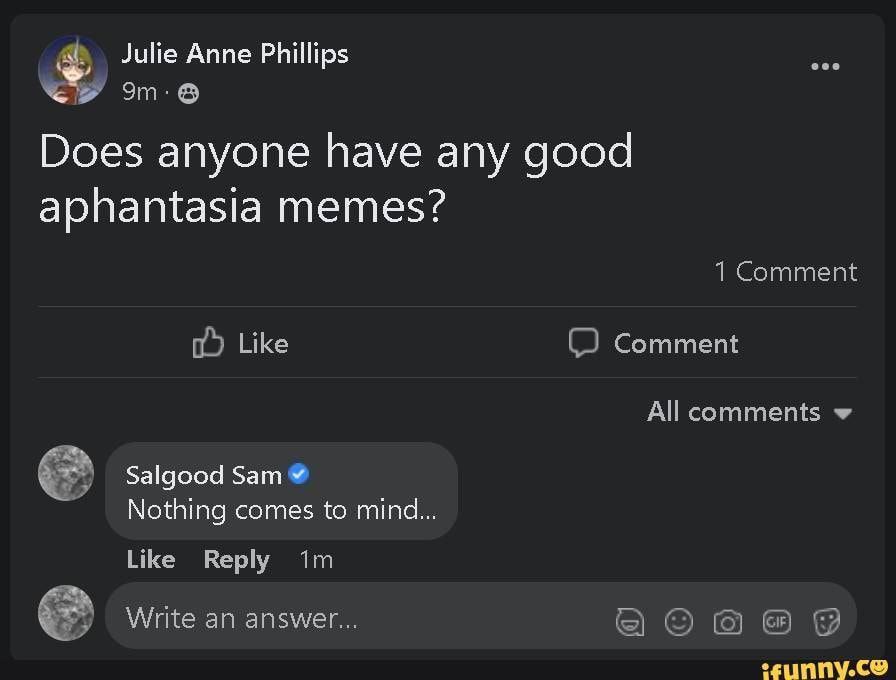
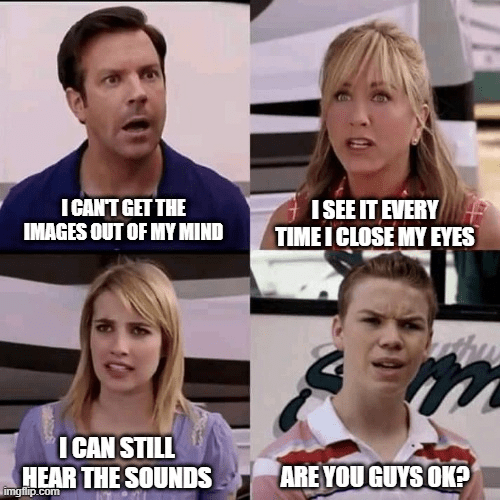
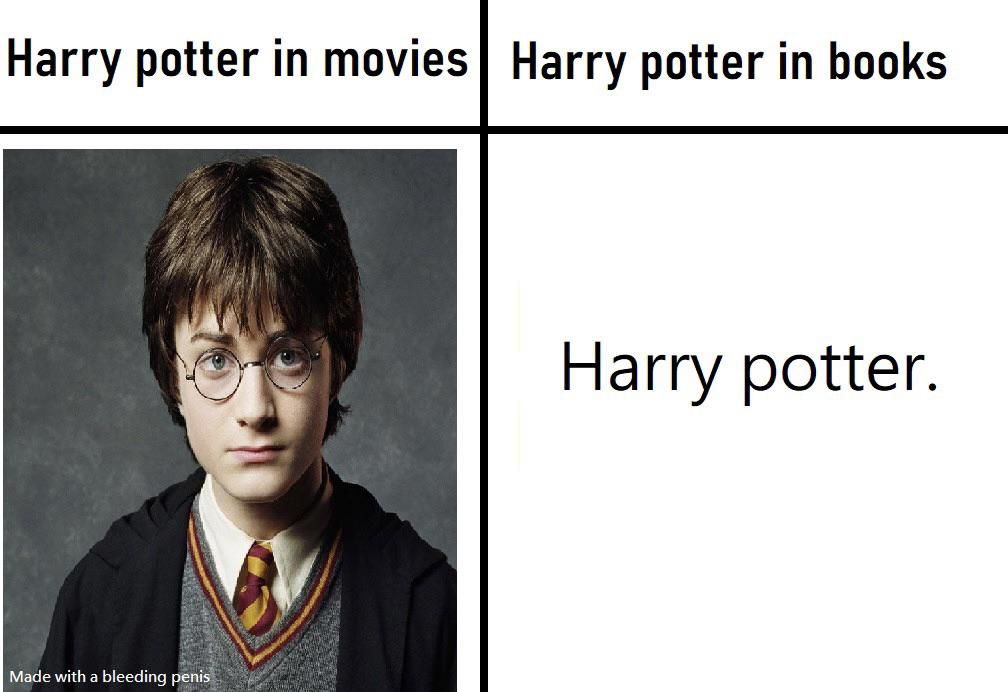
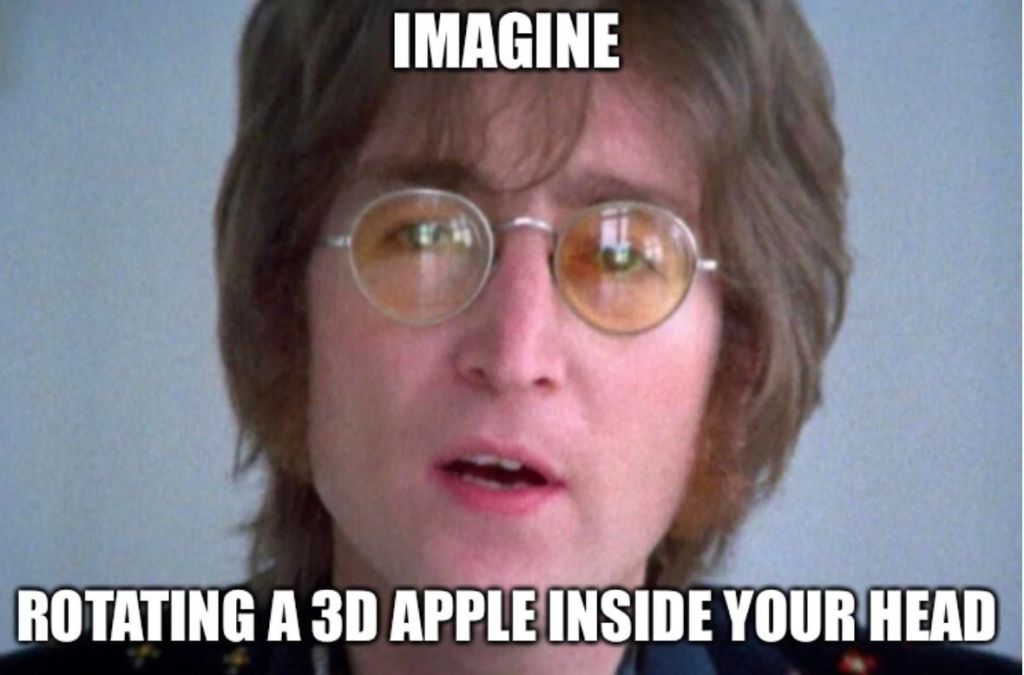
Enough with the memes. And now a poem…
Mind you
A mind, no mind’s eye,
Wondrous dreams
You pronto won’t find
Any negative in your mind’s archive.
Daydreams? You wish.
You can count on word clouds.
One, two… many sheep.
Ain’t it fun how it sounds?
P.S: *while I’ve never pictured it, life can hit like “surprise me”. Living the moment—imagine that.
Mind you, it’s a thing.
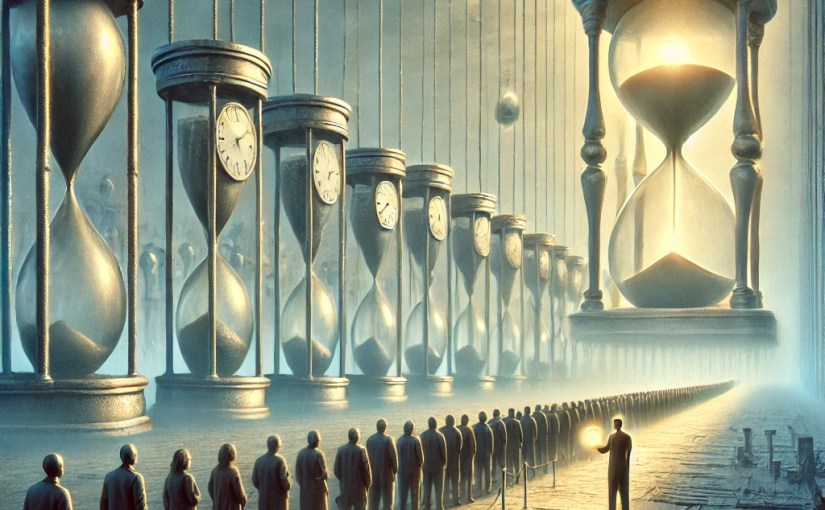
Time immemorial
Individuals stepped in line
Before them, a bank of time
So they would get their share.
—Here, take your time
It’s yours to keep, yours to lose.
I took my time allotment
Put on a smile, as if to say
“Watch me sell this.”
Take it or leave it
Your call to survive.
For ever has always been a fishy pitch.
Yet never was always too much time.
P.S: If that’s not me losing my mind yet, watch me.
Blabbers and gibberish.
Who do you think you are?
Talking to?
Babbles and utterance.
Who do you take me for?
You?
Gray matter, white noise.
Look who’s talking—
The voice in my head.
A performer on stage.
The voice in their head…
It only stops when they sing.
The voice in your head
Is now that motif…
That distracts you from your inner chatter.
You hum along, spreading their voice.
Maybe you’ll sing your own.
There, that’s the spark of your song.


 Reveries That I Call Poetry